Pet accidents can leave more than visible stains on carpets. Urine can seep through carpet fibers into the backing, padding, and even the subfloor beneath. Although the surface may look clean after ordinary carpet cleaning, lingering moisture, bacteria, and urine residues can continue producing unpleasant odors. Effective pet odor and stain neutralization requires identifying how far the contamination has spread and selecting the right treatment for each affected layer.
For homeowners and property managers, understanding sub-surface remediation is essential for achieving longer-lasting results. Techniques such as water claw carpet extraction, enzyme-based deodorizing treatments, targeted cleaning, and carpet padding replacement can help address contamination at its source. MGx Hardwood Care may be a resource to contact for flooring care guidance; confirm whether the company currently offers specialized pet odor remediation before scheduling a service.
Why Pet Urine Odors Return After Carpet Cleaning
Pet urine contains compounds that can penetrate carpet fibers and travel into the layers beneath the surface. When cleaning does not fully remove the liquid, residue can remain in the carpet backing and padding. Over time, these residues may contribute to persistent odors, especially when humidity rises or the affected area becomes damp again.
How Urine Travels Beneath the Carpet
Carpet is a layered flooring system. Its surface fibers absorb liquid, while the backing helps hold the carpet together. Beneath the carpet, padding provides cushioning, and the subfloor forms the underlying structural surface.
When a pet has an accident, urine can move through these layers depending on the amount of liquid, the carpet construction, and how quickly someone treats the area.
Carpet Fibers and Backing
The visible carpet surface may retain discoloration, while the backing traps additional residue. Surface cleaning can improve appearance without removing all the contamination beneath the fibers.
Carpet Padding
Padding is particularly challenging because it is porous and can absorb significant amounts of liquid. Once urine penetrates this layer, odor may persist even after cleaning the carpet itself.
The Subfloor
If urine reaches the subfloor, the problem becomes more complex. Wood-based subfloors may absorb moisture and odor compounds, while concrete can retain contamination in surface pores. The correct treatment depends on the material, the severity of the damage, and whether moisture remains present.
Why Household Deodorizers Often Fall Short
Air fresheners and fragranced cleaning products may temporarily cover unpleasant smells, but they do not necessarily remove the underlying source. Some household products can also leave residues that attract dirt or interfere with subsequent treatments.
Effective remediation focuses on removing contamination, breaking down appropriate odor-causing compounds, and allowing affected materials to dry thoroughly.
What Is Pet Odor and Stain Neutralization?
Pet odor and stain neutralization combines targeted cleaning methods to address visible discoloration and persistent odors caused by animal accidents. The appropriate process depends on the type of carpet, the age of the stain, the amount of urine involved, and how deeply the liquid has penetrated.
A thorough treatment may involve inspection, moisture assessment, extraction, enzyme-based products, controlled drying, and replacement of materials beyond adequate restoration.
Identifying the Extent of Contamination
Before treatment begins, inspect the affected area carefully. A stain that appears small on the surface may cover a larger area underneath the carpet.
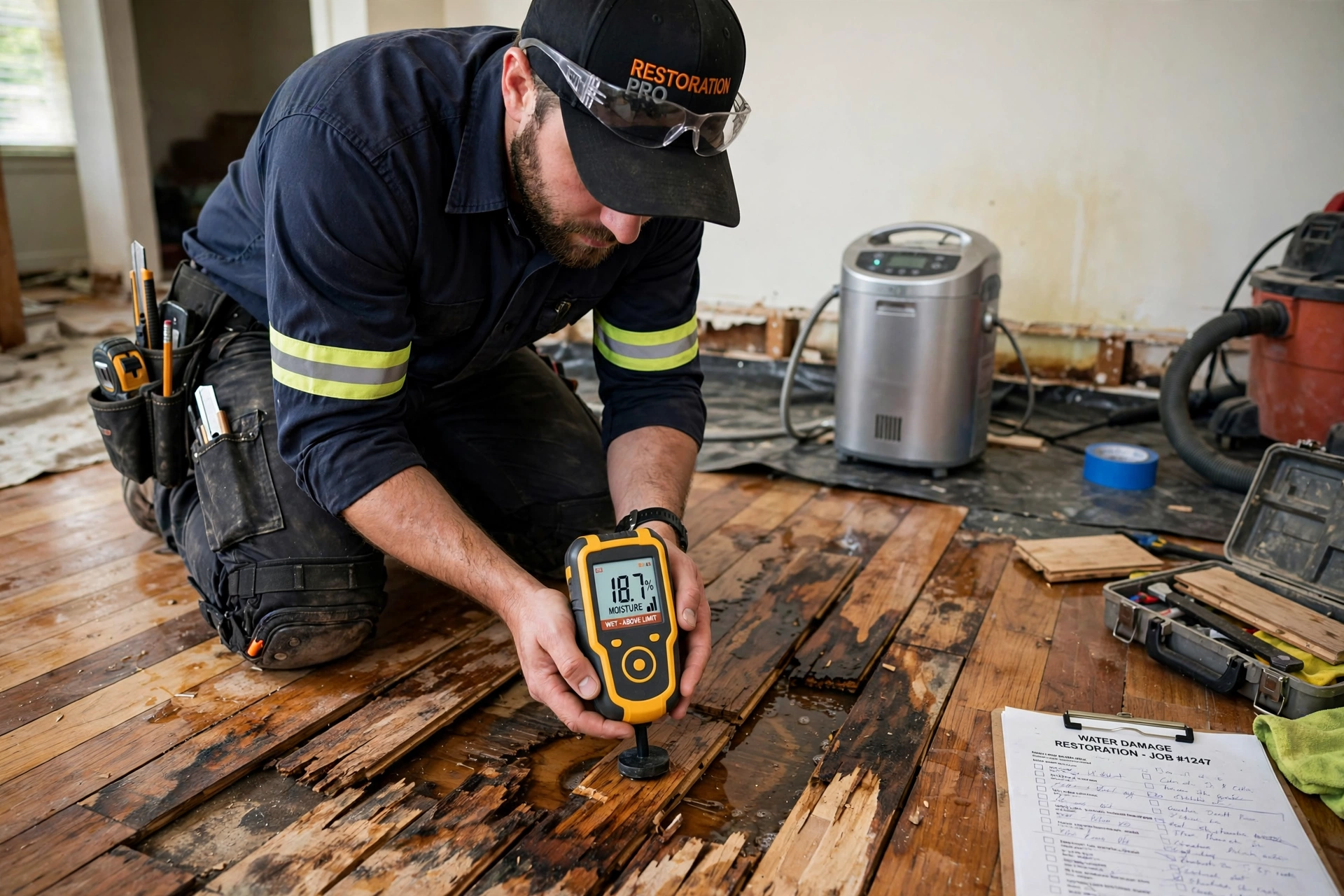
A technician may use visual inspection, odor assessment, moisture meters, or other suitable diagnostic methods to determine which areas need treatment. Technicians should map affected areas so that cleaning efforts target the full contamination zone rather than only the most visible spot.
Checking Adjacent Areas
Urine can spread beyond the original accident area, especially when liquid moves through carpet backing or padding. Checking nearby sections helps prevent untreated areas from continuing to produce odors.
Assessing Carpet and Subfloor Materials
Different materials require different cleaning methods. Wool, synthetic carpet, hardwood, laminate, and concrete do not respond identically to moisture or cleaning chemicals. Always consider material compatibility before applying a treatment.
Water Claw Carpet Extraction for Sub-Surface Cleaning
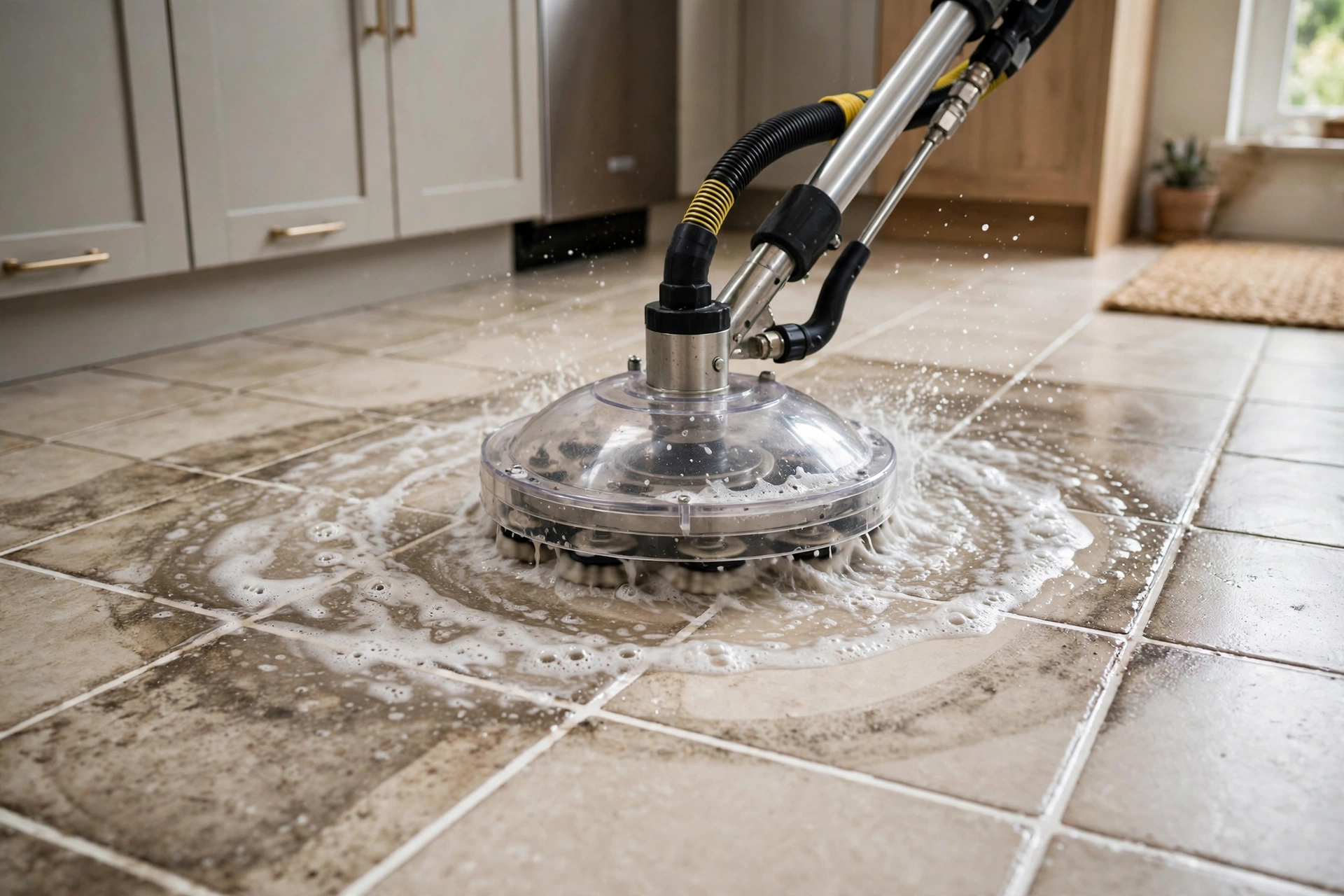
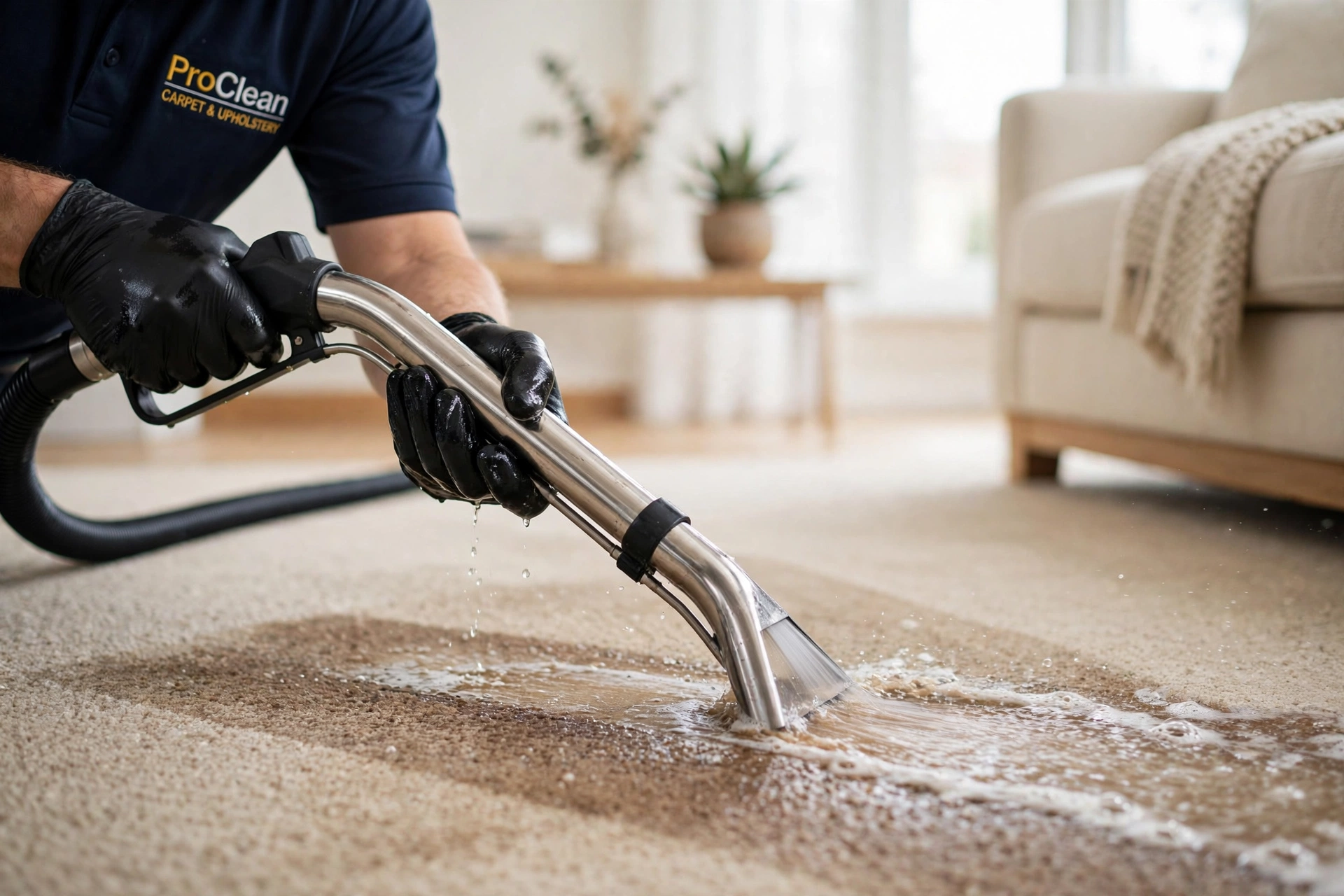
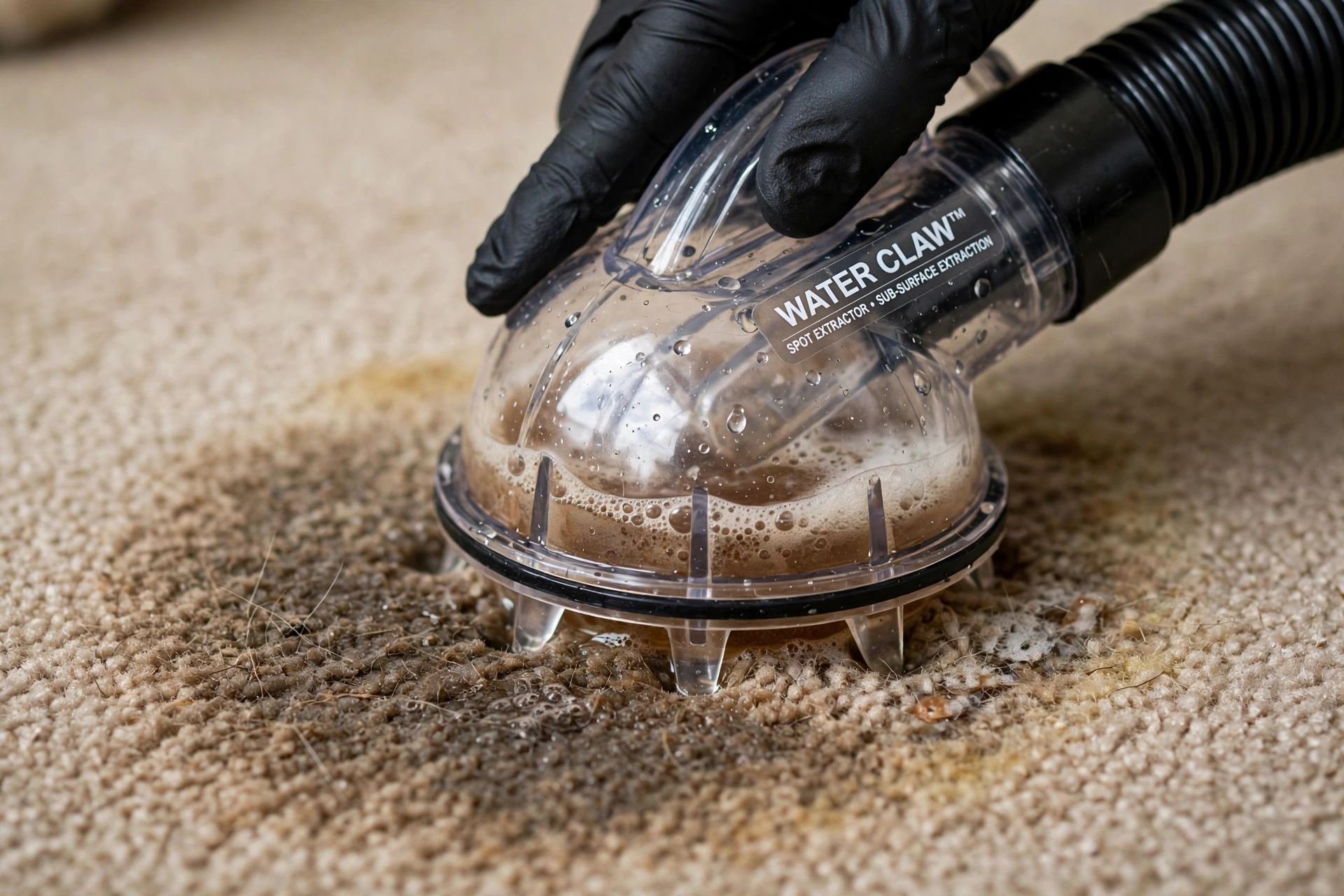
Professionals use water claw carpet extraction as one important method in severe pet urine remediation. A Water Claw-style extraction tool helps remove liquid and contamination from carpet and, when conditions allow, from the padding beneath it.
Unlike ordinary surface extraction, sub-surface extraction targets moisture held below the visible carpet fibers. It can be particularly useful when urine has penetrated into the carpet backing and padding.
How the Extraction Process Works
The exact process depends on the equipment, carpet construction, and contamination level. A typical remediation sequence includes several stages.
Step 1: Inspect and Prepare the Area
The technician identifies affected sections and determines whether in-place treatment of the carpet is feasible. You may need to move furniture, and you should protect surrounding surfaces from moisture and cleaning solutions.
Step 2: Apply a Compatible Pre-Treatment
The technician may apply a suitable cleaning or enzyme-based product when appropriate. The product must be compatible with the carpet and intended for the type of contamination present. Manufacturer instructions determine the required dwell time.
Step 3: Extract Contaminated Liquid
The technician positions the extraction tool over the affected area to help draw liquid from beneath the carpet surface. Controlled extraction can remove loosened residue and reduce the amount of contamination remaining in the padding.
The objective is not simply to make the carpet feel dry. It is to remove as much recoverable contamination as practical while avoiding excessive moisture.
Step 4: Evaluate the Results
After extraction, reassess the area for remaining odor, discoloration, and moisture. Additional targeted treatment may be necessary if the contamination is extensive.
Benefits and Limitations of Sub-Surface Extraction
Water claw carpet extraction can improve access to contamination that ordinary surface cleaning may miss. It may also help reduce the need for unnecessary carpet removal when the padding and subfloor remain suitable for restoration.
However, extraction is not a universal solution. Severely contaminated padding, urine-soaked subfloors, or damaged carpet backing may require additional treatment or replacement. Successful results depend on identifying the source and extent of the problem before choosing a method.
Enzyme Carpet Deodorizer: Breaking Down Odor-Causing Residues
An enzyme carpet deodorizer can be useful for treating certain organic residues associated with pet accidents. Manufacturers formulate enzyme-based products to break down specific substances, helping make them easier to remove during cleaning.
However, not every product marketed as an enzyme deodorizer works the same way. Some formulas target particular organic soils, while others contain additional ingredients intended to manage odors. Base product selection on the contamination type and the manufacturer’s directions.
How Enzyme Treatments Work
Enzymes help break down specific organic compounds into smaller components. Depending on the formulation, the treatment may target residues that contribute to persistent pet odors.
The product needs suitable conditions to work effectively. These may include an appropriate dwell time, adequate contact with the affected material, and a compatible moisture level. Rinsing or extraction requirements vary by product.
Correct Application Matters
Applying an enzyme product only to the visible surface may not address urine that has penetrated deeper into the carpet. The treatment must reach the affected material, and its application must follow the product instructions.
Excessive application is not necessarily better. Over-wetting the carpet can increase drying time and may cause additional problems if moisture reaches vulnerable flooring materials.
Avoid Incompatible Chemical Combinations
Do not mix cleaning products unless the manufacturers explicitly confirm that doing so is safe. Some combinations can reduce cleaning effectiveness or create hazardous conditions. In particular, never mix bleach with ammonia-containing products or other incompatible cleaners.
Enzyme Treatment Versus Fragrance-Based Deodorizing
Fragrance-based products primarily add scent and may temporarily mask unpleasant odors. Enzyme-based treatments act on specific organic residues, although effectiveness varies by formulation and application.
For lasting improvement, combine deodorizing with appropriate soil removal and extraction. A product that leaves contamination behind may not prevent the smell from returning.
Permanent Pet Stain Removal: What Is Realistic?
People commonly use the phrase permanent pet stain removal to describe treatments intended to eliminate visible stains and recurring odors. Nevertheless, no cleaning method can guarantee complete restoration in every situation.
Fresh accidents are generally easier to address because the liquid has had less time to penetrate and react with flooring materials. Older stains may have caused discoloration, residue buildup, or damage that cleaning alone cannot reverse.
Treating Fresh Pet Accidents
When an accident occurs, act promptly. Blot the liquid with clean, absorbent towels rather than rubbing it into the fibers. Remove as much liquid as possible without spreading the affected area.
Use a carpet-compatible cleaner according to its instructions, and test it in an inconspicuous location first. Avoid aggressive scrubbing, which can damage fibers and spread contamination.
Why Rubbing Can Make Stains Worse
Rubbing may push urine deeper into the carpet and damage the pile. Gentle blotting helps lift liquid while reducing unnecessary friction.
Addressing Old and Set-In Stains
Older stains may require professional assessment because discoloration can remain after removing the odor-causing material. Urine can permanently alter certain dyes, fibers, and backing materials.
A technician may recommend targeted cleaning, controlled extraction, additional treatment, or replacement of irreversibly damaged materials. Setting realistic expectations helps homeowners understand the difference between removing contamination and reversing permanent color damage.
When Carpet Padding Replacement Is Necessary
Sometimes, cleaning the carpet is not enough. If urine has heavily contaminated the padding, carpet padding replacement may be the most practical way to address persistent odors.
Manufacturers design padding to provide cushioning rather than to withstand repeated exposure to contaminated liquids. Deeply absorbed urine can remain trapped within the material even after extensive surface cleaning.
Signs That Padding May Need Replacement
Consider professional inspection when:
The odor returns shortly after cleaning.
Affected areas remain damp longer than expected.
Multiple accidents have occurred in the same location.
The carpet backing or padding shows visible deterioration.
Extraction and suitable odor treatments have not resolved the problem.
These signs do not automatically mean the padding must be replaced, but they indicate that further assessment may be necessary.
Removing and Replacing Contaminated Padding
If replacement is required, technicians may need to lift the carpet carefully. Technicians can then remove contaminated padding and dispose of it appropriately.
Inspect the exposed subfloor for staining, odor, moisture, and material damage. Clean it with a compatible method and allow it to dry before installing new padding.
Treating the Subfloor Before Reinstallation
Urine that has reached the subfloor may require a suitable treatment. The correct product and procedure depend on whether the surface is wood, concrete, or another material.
Wood-based materials require particular care because excessive moisture can cause swelling or warping. If contamination has penetrated deeply, technicians may consider sealing or replacing a damaged section after proper assessment. Do not use a surface coating simply to conceal an unresolved moisture problem.
Bacteria Elimination and Safe Drying
Pet urine remediation involves more than removing odor. Contaminated materials may also contain microorganisms, and persistent moisture can encourage microbial growth. Proper cleaning, moisture control, and drying are therefore essential.
Cleaning and Sanitizing Are Different
Cleaning removes soil and contamination from surfaces. Sanitizing or disinfecting involves specific products and procedures intended to reduce microorganisms under defined conditions.
Not every carpet deodorizer is a disinfectant, and not every odor treatment eliminates bacteria. If you require microbial reduction, the product must be appropriate for the surface and used according to its label. Any claims about disinfection should match the product’s approved directions.
Promoting Thorough Drying
After extraction and treatment, the affected area should dry completely. Appropriate air movement, ventilation, and dehumidification can help manage drying time, depending on the room and flooring materials.
Do not cover the carpet with furniture or rugs while it remains damp. Prolonged moisture can contribute to musty odors and create conditions favorable to mold growth.
When Professional Assessment Is Important
Professional assistance is particularly useful when urine has reached the subfloor, the affected area is extensive, repeated accidents have contaminated the carpet, or odors continue despite careful cleaning.
If there is visible microbial growth, extensive water damage, or a persistent moisture issue, assess the underlying cause rather than treating it with deodorizer alone.
Preventing Future Pet Odors and Carpet Stains
Once you have restored an affected area, a few practical habits can reduce the risk of recurring problems.
Respond Quickly to Accidents
Keep absorbent towels and a carpet-compatible pet stain cleaner available. Blot fresh urine promptly and follow the cleaner’s instructions. Faster action can reduce the amount of liquid that reaches the padding.
Maintain a Regular Cleaning Routine
Vacuuming helps remove loose dirt and pet hair, but it does not replace targeted treatment for urine. Periodic professional carpet cleaning may be useful for general maintenance, depending on household traffic and carpet manufacturer recommendations.
Monitor Previously Affected Areas
Check treated spots for returning odors, discoloration, or persistent dampness. If the smell reappears, investigate whether contamination remains below the surface rather than repeatedly applying fragrance-based products.
Protect Vulnerable Flooring
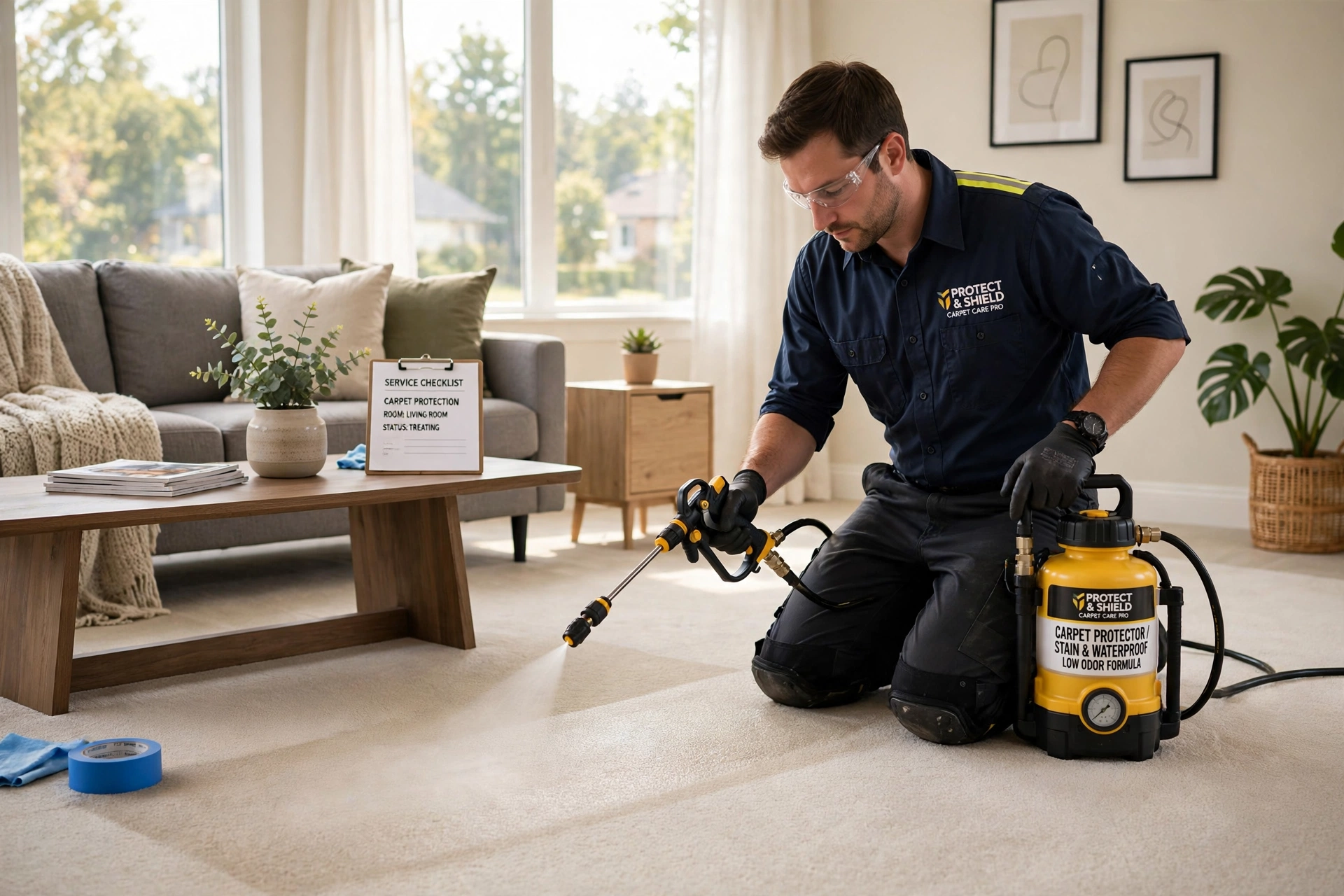
Use suitable mats in pet feeding areas and clean spills promptly. Ensure that rugs and carpet protectors are compatible with the flooring underneath, as some backing materials can discolor or damage certain finishes.
How MGx Hardwood Care Can Help With Flooring Care
Persistent pet odors can be frustrating, particularly when repeated cleaning has not solved the problem. The most effective next step is to identify where the contamination remains and choose a treatment that suits the affected materials.
You can contact MGx Hardwood Care to discuss flooring-care concerns and determine whether its current services match the needs of the property. Before booking, ask whether the company provides pet urine remediation, water claw carpet extraction, enzyme-based odor treatment, carpet padding replacement, or subfloor cleaning. Confirm these specialized services directly rather than assuming their availability.
Questions to Ask Before Booking
When discussing a pet odor problem with a flooring professional, consider asking:
Can you assess whether urine has reached the carpet padding or subfloor?
Do you offer sub-surface extraction for contaminated carpet?
Which enzyme-based treatments do you use, and are they suitable for my carpet?
How do you determine whether padding needs replacement?
What drying process do you recommend after treatment?
What results are realistic for old stains and persistent odors?
Clear answers can help you compare treatment options and understand what the service includes.
Final Thoughts
Effective pet odor and stain neutralization requires more than masking an unpleasant smell. Urine can travel through carpet fibers and backing into the padding and subfloor, where ordinary surface cleaning may not reach it. Water claw carpet extraction, suitable enzyme treatments, careful moisture management, and padding replacement when necessary can all play a role in addressing the problem.
The right approach depends on the depth of contamination, the flooring materials, and the age of the stain. By identifying the source, removing recoverable residues, treating affected materials appropriately, and ensuring complete drying, homeowners can improve their chances of achieving a cleaner, fresher indoor environment.
If pet odors continue to return, contact MGx Hardwood Care to ask about its current flooring-care services and whether it can assist with your specific issue. A careful assessment is the best starting point for choosing an appropriate and lasting solution.