Keep Your Workplace Clean, Professional, and Welcoming
Clean carpets contribute to a professional business environment. In offices, reception areas, conference rooms, and commercial buildings, carpets experience constant foot traffic that can gradually lead to dirt buildup, stains, flattened fibers, and unpleasant odors. Without a consistent maintenance plan, even well-maintained interiors can begin to look worn and uninviting.
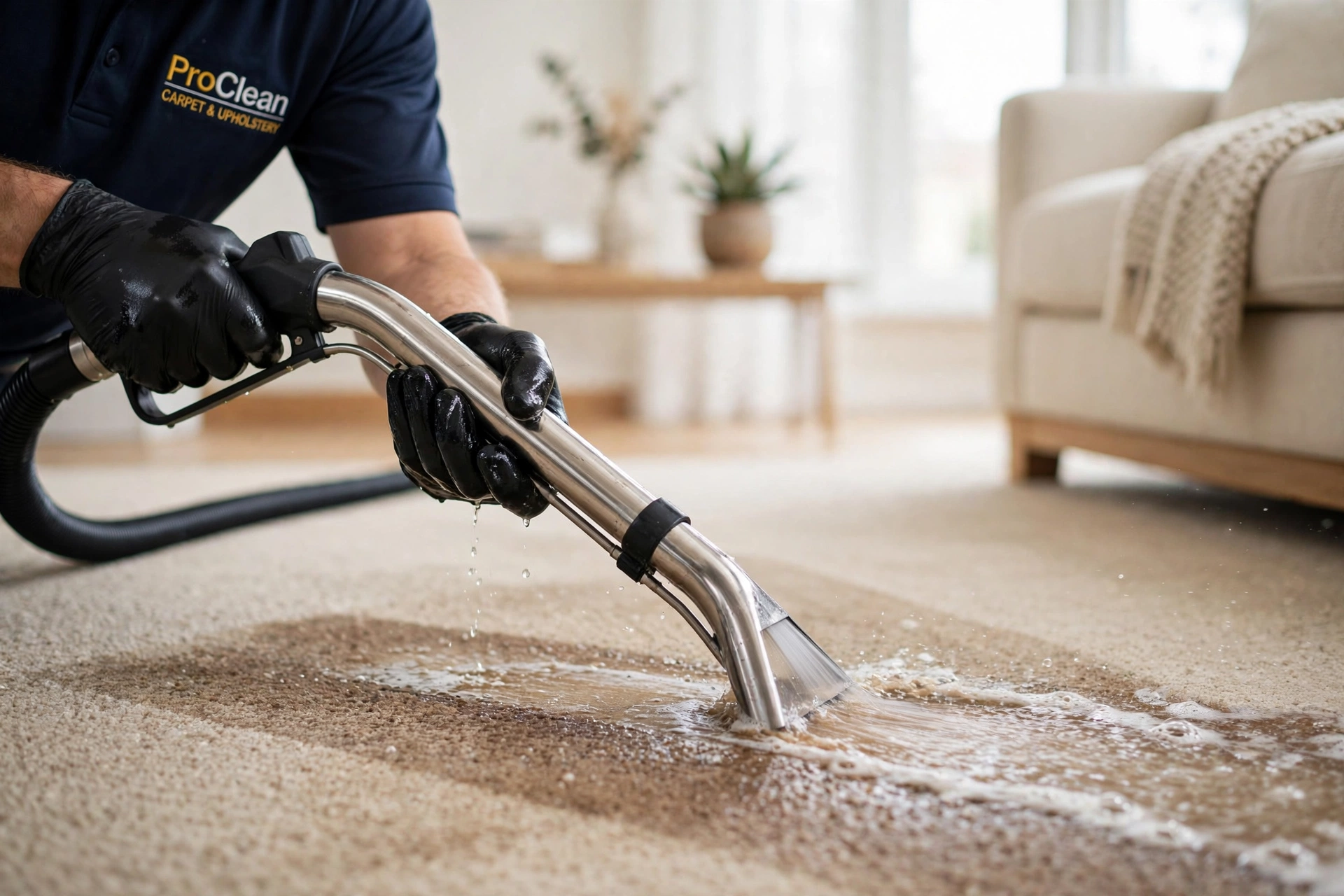
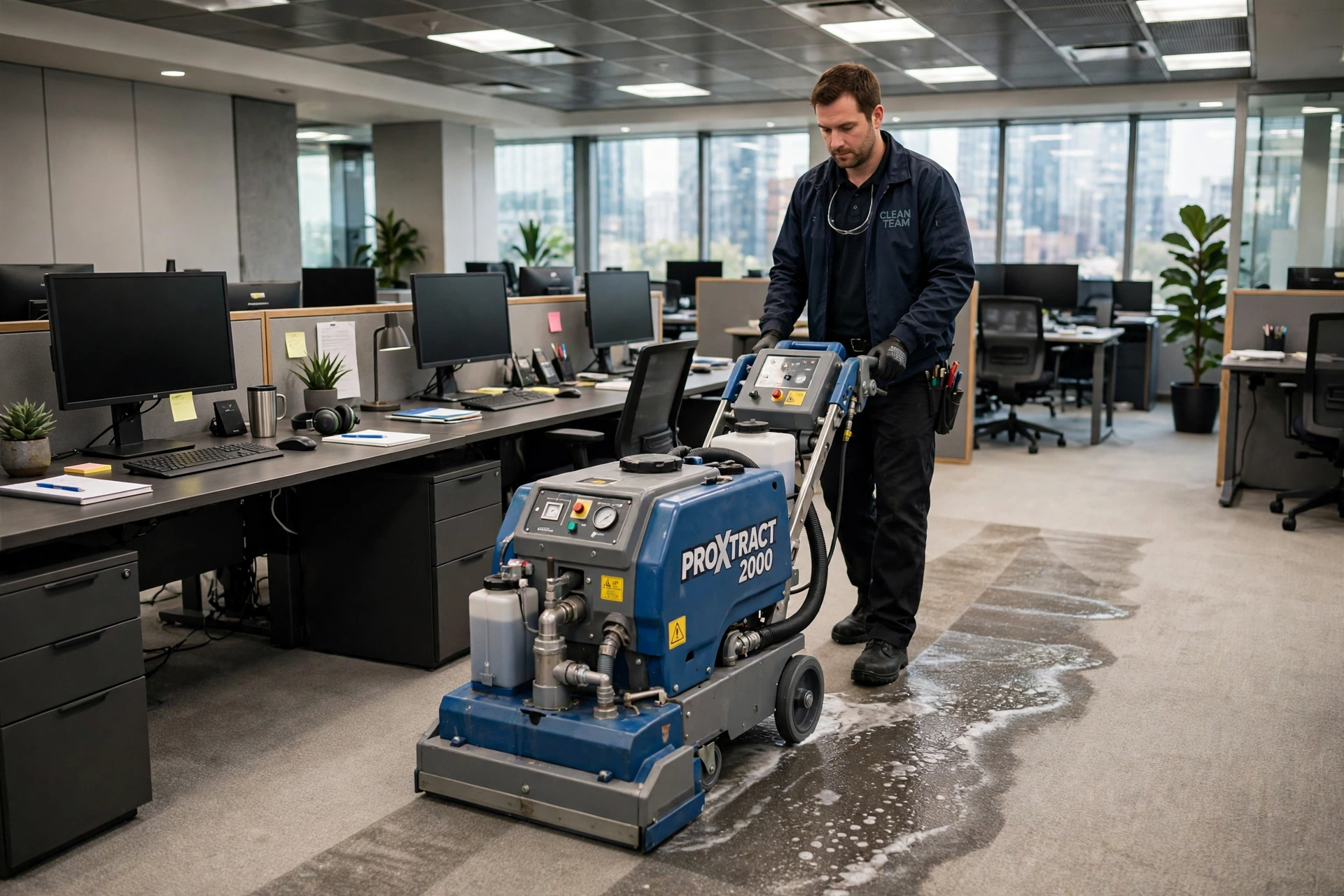
Professional commercial carpet cleaning services help businesses maintain cleaner carpets while supporting the appearance and longevity of their flooring. Unlike residential carpets, commercial flooring often requires specialized cleaning methods that accommodate busy schedules, frequent use, and large surface areas.
MGx Hardwood Care can help businesses explore appropriate flooring maintenance solutions. Companies interested in commercial carpet cleaning should confirm the services currently available, including low-moisture encapsulation, office carpet cleaning, and scheduled commercial maintenance programs.
Why Commercial Carpet Cleaning Matters
Commercial carpets collect dust, soil, and debris brought in by employees, customers, and visitors. High-traffic areas, such as entrances, hallways, reception desks, and break rooms, often become dirty more quickly than less frequently used spaces.
Regular vacuuming helps control loose dirt, but it may not remove all embedded soil or accumulated residues. Periodic professional cleaning can address deeper contamination and help businesses maintain a more presentable workplace.
Common Carpet Cleaning Challenges in Commercial Buildings
Businesses frequently experience several carpet maintenance problems:
Heavy foot traffic: Dirt and grit become embedded in carpet fibers throughout the workday.
Visible traffic lanes: Frequently walked areas may appear darker or more worn than surrounding carpet.
Coffee and food spills: Break rooms and meeting spaces are particularly vulnerable to accidental stains.
Tracked-in moisture: Rainwater and outdoor debris can affect entrances and corridors.
Cleaning-related disruption: Traditional cleaning methods may leave carpets damp, limiting access to important areas.
Maintenance costs: Delayed cleaning can allow soil to accumulate and make routine upkeep more difficult.
A structured cleaning strategy helps businesses address these challenges before they significantly affect the appearance of their flooring.
How MGx Hardwood Care Can Help With Commercial Floor Maintenance
MGx Hardwood Care can serve as a point of contact for businesses seeking information about maintaining their flooring. The right maintenance approach depends on the carpet material, building usage, contamination levels, and operational requirements.
Before arranging a commercial carpet cleaning service, businesses should confirm whether MGx Hardwood Care currently offers commercial carpet cleaning, low-moisture treatments, and recurring maintenance contracts.
1. Assessing Commercial Carpet Conditions
An effective maintenance plan begins with evaluating the condition of the carpet. Reception areas, corridors, offices, and conference rooms may require different cleaning frequencies because they experience different levels of foot traffic.
A professional assessment can identify heavily soiled sections, visible stains, and areas that need more focused attention. It can also help determine whether low-moisture cleaning or another extraction method is appropriate.
2. Selecting a Suitable Cleaning Method
Commercial carpets vary in fiber type, backing, installation, and manufacturer requirements. The cleaning method should match these characteristics rather than relying on one process for every surface.
Low-moisture encapsulation may be appropriate for certain commercial carpets that need efficient routine maintenance. Other carpets may require hot-water extraction or a different treatment to address heavy soil and deeper contamination.
3. Planning Around Business Operations
Cleaning should be arranged to minimize interference with employees, customers, and daily business activities. Depending on the building, this may involve cleaning in sections, working after business hours, or prioritizing specific high-traffic zones.
Businesses can discuss scheduling requirements with MGx Hardwood Care and confirm which arrangements the company can accommodate.
Understanding Low-Moisture Carpet Encapsulation
Low-moisture carpet encapsulation is a commercial cleaning method designed to clean suitable carpets while using relatively little water. It is often used in office environments because treated areas can generally dry more quickly than carpets cleaned using more moisture-intensive methods.
The process involves applying a compatible encapsulation solution that helps surround and suspend soil particles as the product dries. The carpet is then vacuumed according to the product instructions, removing the dried residue and associated soil.
How VLM Encapsulation Cleaning Works
Very Low Moisture (VLM) cleaning describes carpet maintenance approaches that minimize the amount of water used during cleaning. Encapsulation is one common VLM method.
The process generally includes the following steps:
Inspection: Evaluate carpet condition, fiber type, stains, and heavily soiled areas.
Pre-vacuuming: Remove loose dirt and dry debris before applying a cleaning solution.
Spot treatment: Address suitable stains with compatible products.
Solution application: Apply the encapsulation product at the recommended dilution.
Mechanical agitation: Use appropriate equipment to distribute the solution through the carpet fibers.
Drying and vacuuming: Allow the product to dry as directed, then vacuum to remove encapsulated soil.
The precise process depends on the equipment, cleaning solution, and carpet manufacturer’s recommendations.
Benefits of Low-Moisture Carpet Encapsulation
For suitable commercial carpets, encapsulation can offer several practical advantages.
Reduced moisture: Using less water can help limit excessive wetting and reduce drying time.
Less operational disruption: Faster drying may allow businesses to return cleaned areas to service sooner.
Routine soil management: Encapsulation can help control recurring dirt buildup when combined with regular vacuuming.
Targeted maintenance: Cleaning can be organized around heavily used areas rather than always requiring a complete building-wide deep clean.
However, encapsulation is not a replacement for every type of carpet cleaning. Heavily contaminated carpets may require a more intensive extraction process.
Office Carpet Cleaning for High-Traffic Workplaces
Professional office carpet cleaning helps businesses address the dirt and wear that develop in busy commercial spaces. A well-planned maintenance schedule can focus attention on areas that become dirty most quickly.
Cleaning Reception Areas and Corridors
Reception areas often create the first impression for visitors. Dirt tracked in from outside can accumulate around entrances, waiting areas, and walkways.
Frequent vacuuming, entrance mats, and periodic professional cleaning can help control this buildup. Low-moisture encapsulation may be useful for appropriate carpets in these areas, particularly when quick turnaround is important.
Maintaining Conference Rooms and Private Offices
Conference rooms may experience irregular but concentrated use, while private offices may accumulate dust and debris more gradually. Cleaning frequency should reflect actual usage rather than applying the same schedule to every room.
Spot treatment can help address coffee spills and other isolated stains, while periodic maintenance cleaning supports the overall appearance of the carpet.
Managing Break Rooms and Shared Spaces
Break rooms often experience food spills, drink stains, and heavier soil than other office areas. These spaces may require more frequent inspection and targeted cleaning.
Persistent odors, substantial spills, or contamination that has penetrated the carpet backing may require specialized treatment beyond routine encapsulation.
Bonnet Cleaning Techniques for Commercial Carpets
Bonnet cleaning is another low-moisture method sometimes used for commercial carpet maintenance. It involves a rotary floor machine fitted with an absorbent cleaning pad, or bonnet, that transfers soil from the carpet surface onto the pad.
The method can be useful for improving the appearance of suitable commercial carpets, particularly when surface soil is the primary concern.
How Bonnet Cleaning Works
A compatible cleaning solution is applied according to the equipment and product instructions. The machine then moves the absorbent pad over the carpet surface, collecting soil through controlled contact and agitation.
Used bonnets must be cleaned or replaced as needed to avoid spreading dirt from one section to another.
Encapsulation vs. Bonnet Cleaning
Both methods can support commercial carpet maintenance, but they work differently.
Encapsulation: Uses a cleaning solution that surrounds soil and dries into a residue that can be removed through vacuuming.
Bonnet cleaning: Uses an absorbent pad to collect soil from the carpet surface during machine agitation.
Bonnet cleaning primarily addresses surface-level contamination and may not adequately clean deeply embedded soil. Excessive agitation or an unsuitable product can also damage some carpet fibers.
The most appropriate method depends on the carpet construction, cleaning objectives, and level of soiling.
Creating a Commercial Carpet Cleaning Maintenance Contract
A recurring commercial rug cleaning contract or carpet maintenance agreement can help businesses organize their cleaning needs and manage routine flooring care.
Rather than waiting until carpets look visibly dirty, a planned schedule allows businesses to maintain consistent standards throughout the year.
What Should a Maintenance Agreement Include?
A suitable agreement may define the following details:
Service areas: Identify offices, corridors, reception areas, meeting rooms, and other spaces included.
Cleaning frequency: Establish how often each area should receive routine or intensive cleaning.
Cleaning methods: Specify the agreed approach based on carpet condition and material.
Stain treatment: Clarify how routine spots and more difficult stains will be handled.
Scheduling: Set suitable service windows to reduce business disruption.
Pricing and scope: Document the areas covered, agreed rates, and any additional charges.
Performance expectations: Establish communication procedures and arrangements for reporting concerns.
These details help both parties understand the scope of the service and maintain realistic expectations.
Building a Practical Maintenance Schedule
High-traffic entrances and main corridors may need more frequent attention than lightly used private offices. Reception areas and shared spaces may also benefit from regular inspection and targeted spot cleaning.
A commercial cleaning provider can help develop a schedule based on building usage, carpet condition, and operational priorities.
For businesses considering a maintenance arrangement with MGx Hardwood Care, it is important to confirm service availability, contract options, and the areas covered before making a commitment.
Why After-Hours Commercial Carpet Cleaning Can Be Helpful
Cleaning during normal business hours may interrupt meetings, obstruct walkways, or create inconvenience for employees and visitors. Off-hours execution can help reduce these problems.
Scheduling Cleaning Around Business Needs
Evening, overnight, or weekend cleaning may be suitable for offices that need to remain accessible throughout the workday. Cleaning can also be divided into sections so that only selected areas are temporarily unavailable.
Low-moisture methods may further reduce disruption when the carpet and cleaning process are suitable for them.
Before scheduling work, businesses should confirm the provider’s availability, building access arrangements, ventilation requirements, and expected drying time.
Maintaining Commercial Carpets Between Professional Visits
Professional cleaning works best when combined with consistent daily maintenance.
Simple Commercial Carpet Care Practices
Vacuum high-traffic areas regularly using suitable commercial equipment.
Place effective entrance mats at exterior doors.
Clean fresh spills promptly using carpet-safe procedures.
Avoid rubbing stains aggressively or applying unapproved chemicals.
Keep walkways free of debris that can be ground into carpet fibers.
Inspect reception areas, corridors, and break rooms for developing stains.
Arrange deeper extraction when routine maintenance is no longer sufficient.
These steps help manage soil accumulation and support the performance of a professional cleaning program.
Conclusion
Commercial carpet cleaning services help businesses maintain clean, attractive, and professional workspaces. Low-moisture encapsulation can provide an efficient maintenance option for suitable carpets, while bonnet cleaning may help address surface soil. Scheduled maintenance contracts and after-hours execution can also help businesses maintain flooring without unnecessary disruption.
The right strategy depends on carpet construction, building usage, and the level of contamination. Combining routine vacuuming with appropriate professional cleaning can help preserve carpet appearance and make maintenance more manageable.
Contact MGx Hardwood Care to discuss your commercial flooring maintenance needs and confirm whether the company offers office carpet cleaning, VLM encapsulation, bonnet cleaning, and recurring commercial maintenance programs. A tailored cleaning plan can help your business keep its carpets presentable while supporting day-to-day operations.